


Last Updated on January 16, 2026
Injection molding tolerances are not merely just numbers on a drawing; they form the bridge between design and manufacturable products. If tolerances are not properly planned, parts may not fit together, assemblies can produce noise, and the final product may fail to meet functional requirements.
When the engineering part tolerance is considered in the initial stages of the design process, along with the materials behavior used for the part construction (such as thermal expansion or shrinkage), it is possible to avoid most common errors and to ensure that your products will perform as intended.
If tolerances are too strict or tight, they may result in increased tooling costs, longer machining times, and higher process control costs. Whereas if tolerances are too wide, then they may lead to misaligned parts, premature wear of components, and/or a poor surface finish. Therefore, it is necessary to establish a balance between manufacturability and precision to produce reliable parts, have a uniform visual appearance, and be cost-effective.
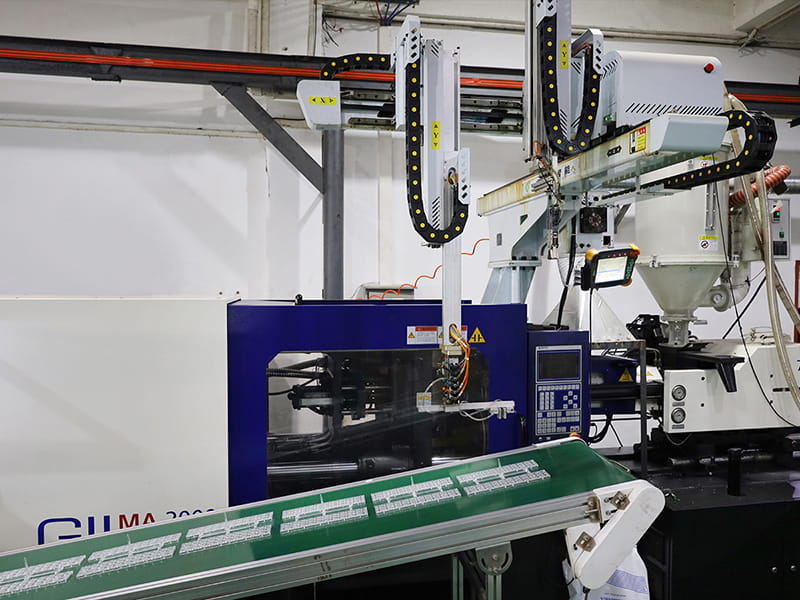
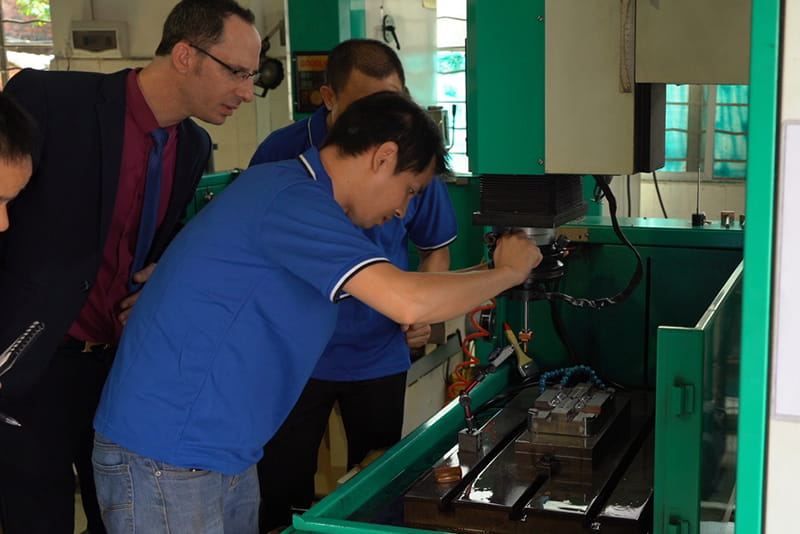
Honju Optics has established tight tolerances on injection molding products by designing molds with care. Our team exercises process control to assure consistent dimensions by monitoring the plastic materials’ behavior and their resultant shrinkage, so we can consistently dimension our molded parts. In addition, every part is inspected under strict quality control procedures to ensure that all critical parameters are met.
This article will explain the importance of tolerancing when using the injection molding manufacturing process, what factors influence tolerances, common mistakes, and provide practical strategies for achieving high-quality, reliable products at a controlled cost.
What are Injection Molding Tolerances: Understanding the Nature
Injection molding tolerances define the range of acceptable variation in a part’s size and shape. Allowing a part to deviate in size, shape, or feature, due to material shrinkage as it cools, will ensure that a part does not get stuck, will not wobble, and will assemble properly.
There are different types of tolerances. For instance, linear tolerances define the part’s measurement, e.g., its length, width, or height. Geometric tolerances regulate the geometric relationship between two or more part features, i.e., flatness, concentricity, roundness, etc. Shrinkage tolerances take into account the shrinkage that occurs in the plastic as it cools. As injection molding is a dynamic process, unlike machining, the part will shrink as it cools. Additionally, the mold can wear over time, and any variation in temperature or injection pressure can affect the final size of the part. Therefore, tolerances should be practical and not limited by what is possible, but rather by what is attainable.

Key Factors Affecting Injection Molding Tolerances
Material Shrinkage and Dimensional Behavior
Since different plastics have varying degrees of crystallinity, the amount of shrinkage will vary depending on the specific plastic type. Crystalline materials, like nylon or POM, exhibit greater shrinkage than non-crystalline materials, such as ABS. Understanding the material characteristics enables the designer to modify the mold design and tolerances to maintain accuracy in the finished part.
Mold Manufacturing Accuracy and Steel Expansion

The mold itself must be precise. Minor errors in mold manufacturing can result in significant errors in the finished part. When the mold heats up, the steel will expand, causing variations in the cavity size.
Batch Stability and Moisture Sensitivity
Due to minor variations in batch-to-batch plastic materials, some plastics absorb moisture from the atmosphere. This causes them to expand and affect the part dimension during the molding operation. Maintaining control over the moisture content of the plastic and knowing the plastic quality will ensure that the dimensions remain consistent across all parts.
Gate Design and Cooling System Uniformity
How the plastic flows into the mold through gates can significantly influence how it fills the mold and how it cools. Inconsistent flow through gates can result in warpage, irregular shrinkage, or undesired dimensions. Proper gate placement and a uniform cooling system will assist in minimizing these inconsistencies.
Process Parameters and Production Stability
The critical variables, like injection pressure, temperature, injection speed, and cycle time, will all affect the finished part dimension. Minor changes in these variables can cause the part to be over-filled or under-filled, warped, or exhibit uneven shrinkage.
Holding Pressure and Cooling Control
Once the mold is filled, the part is subjected to a predetermined pressure holding period to avoid shrinkage and the formation of voids. If the pressure holding or cooling control is inaccurate, defects and/or variations in part size will occur. Monitoring the pressure and cooling control systems will help achieve consistent and accurate dimensions in the finished part.

Consequences of Improper Injection Molding Tolerances
Assembly Interference and Functional Failure
If the parts’ tolerances are either too loose or too tight, they may not fit properly together. Assemblies that do not fit properly can bind, vibrate, or generate noise. Poorly fitted parts can result in the inability of the product to perform its intended function.
Performance Issues in Moving Components
Moving components like sliders or rotors are extremely sensitive to tolerances. Incorrect tolerances can result in the component binding, generating excessive friction or becoming loose, resulting in reduced performance and shortened product life.
Surface Defects and Appearance Problems
Wrong tolerances can result in surface defects like warping, sink marks, or uneven surfaces. Misaligned parts can also negatively impact the overall product appearance, influencing consumer perceptions of the product’s quality.
Increased Tooling and Machining Costs
To achieve very close tolerances often requires the design of more complex molds, utilizing high-cost mold steel and employing advanced machining techniques. All these increased costs contribute to higher total production costs.
Higher Process and Production Costs
Achieving overly stringent tolerances slows down production, lowers yields, and increases the time required for initial setup and adjustments. These factors contribute to increased costs per part.
Quality Risks and Customer Return Exposure
Parts that do not meet the established tolerances can result in product defects, rework, scrapping, or product failure in the field. The exposure to returns and inspection costs contributes to financial risks as well as negative impacts on the reputation and customer satisfaction.
Developing Reasonable Plastic Injection Molding Tolerances
Applying Industry Standards and Guidelines
Following the established industry standards for tolerances provides a starting point for developing reasonable injection molding tolerances. Industry standards, such as GB/T, DIN, and SPI, establish standard tolerance ranges for various materials and part sizes.
Tolerance Grades and Material Classes
Materials behave differently during injection molding and therefore, will have different shrinkage rates and expansion properties. Tolerance grades categorize the tightness or looseness exist between dimensions.
Knowledge of the correct tolerance grade for the specific material will allow the creation of parts that will accurately meet the design specifications without the necessity of over-designing the part to accommodate inaccuracies.
Designing Parts for Manufacturing Capability
When determining tolerances, consideration should be given to the part’s manufacturability. Tolerances should be designed to accommodate the limitations of the manufacturing process and mold capabilities. For example, complex shapes may require larger tolerances in certain areas to avoid defects during the manufacturing process.
Setting Tolerances for Critical Functional Features
Only the critical dimensions that define how parts mate and how moving components operate should be subject to the tightest tolerances. Prioritizing the critical functionality-related tolerances will preclude unnecessary tightening of tolerances for non-critical areas. This will also conserve time and money.
Aligning Product Needs with Supplier Capability
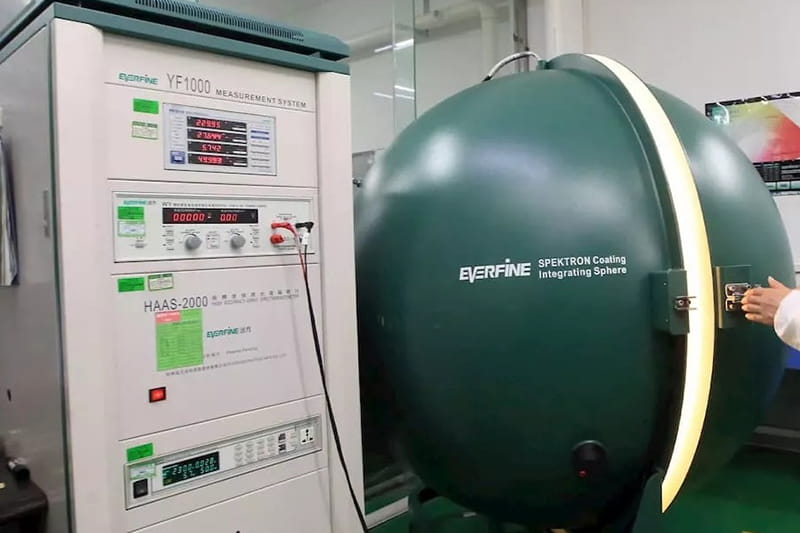
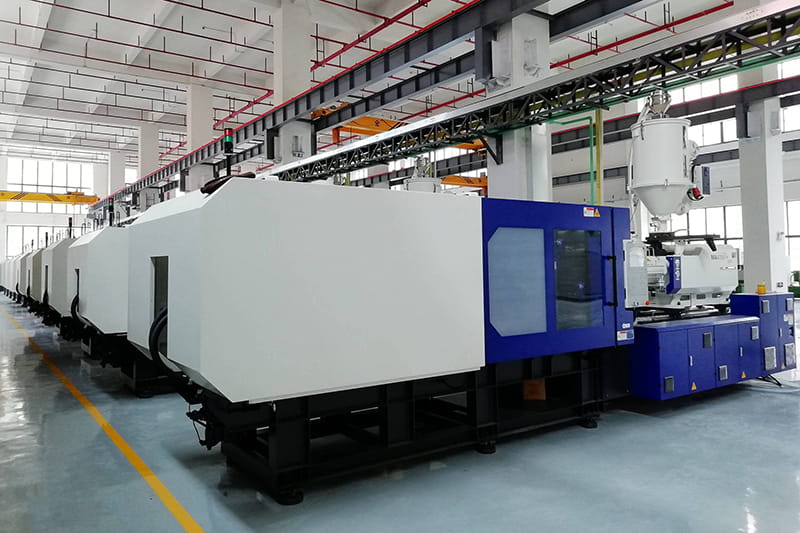
In conjunction with defining reasonable injection molding tolerances, consideration should be given to the supplier’s capability to manufacture the mold and produce the parts according to the defined tolerances. Evaluating the process stability (Cp/Cpk values) will ensure that the tolerances are producible and will not result in scrap or rework.
Controlling and Communicating Injection Molding Tolerances
Defining Critical Dimensions on Technical Drawings
Clear identification of the critical dimensions on technical drawings will facilitate understanding among all parties involved in the production process regarding the importance of the identified dimensions. This will prevent confusion during production and ensure the critical dimensions are maintained during the production process.
Using 3D Models for Tolerance Control
3-dimensional representations of the part geometry facilitate visual examination of the geometry and assist in identifying potential errors like interference fit, clearance, or other critical aspects of the part design before the mold development.
Establishing Part Technical Specifications
Creation of a part technical specification document that clearly defines all dimensions, tolerances, and acceptance criteria will serve as a common reference for all personnel involved in the production process.

Selecting Proper Measurement Methods
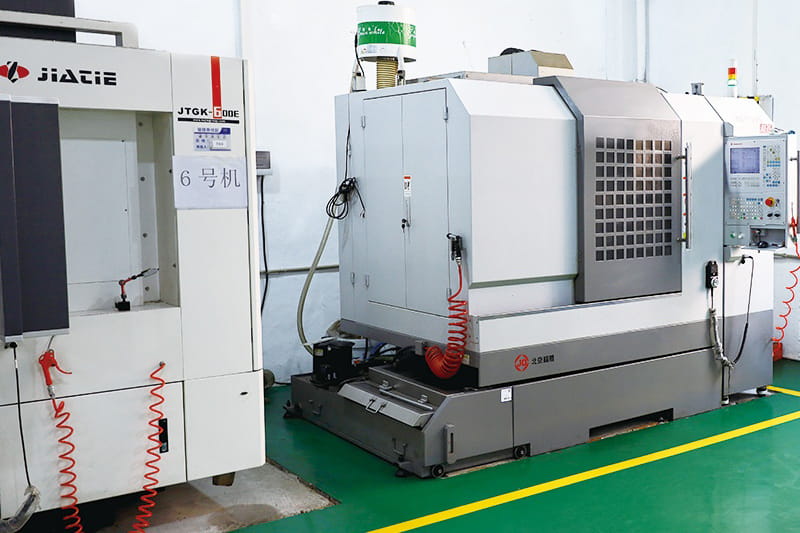
Utilizing the appropriate measuring tools, like calipers, micrometers, coordinate measuring machines (CMM), or optical scanners, will ensure accurate measurement of dimensions and will facilitate verification of compliance with the defined tolerances.
Verifying Tolerances Through Process Analysis
Implementation of statistical process control and routine inspection of parts will assure that the parts are being produced within their defined tolerances during the production process. Detection of trends or deviations will facilitate the process correction before the generation of a large quantity of defective parts or rework.
Aligning Tolerance Expectations Across Suppliers
Clear communication of the defined tolerances to mold manufacturers and injection molding suppliers will ensure that all parties have a common understanding of the accepted variation. Coordination with suppliers during the part development will minimize the potential for misunderstandings and lead to successful production with minimal rework.
Validating Tolerances During Mold Trials
During mold trials (T0/T1), validation of the ability to produce parts within the defined tolerances will be confirmed. Any necessary adjustments can be made at this time to assure repeatable and stable production and minimize future rework.
Practical Actions for Better Tolerance Decisions
Determine the important characteristics of your product early on to identify how they may affect the fit-up of the parts, the way the product performs, and/or its aesthetic appeal. This is to ensure that you can avoid expensive mistakes down the road and allow you to focus on the right resources.
Work with your supplier(s) and engineer(s) from the very beginning of the design phase to create an open dialogue regarding the behavior of materials, achievable tolerance(s), and the limitations of processes.
Reference industry standard(s) and material shrinkage data when establishing reasonable injection molding tolerances to provide a foundation for this.
Regularly measure parts during production using calipers, CMMs (Coordinate Measuring Machines), or optical scanners to determine if the parts being produced meet the established tolerances. If parts are not meeting established tolerances, adjust either the process parameter(s) or mold setup to produce parts within those tolerances and thus maintain consistent quality.
Summary
Injection molding tolerances are imperative for producing parts that fit, function, and look as intended. They help prevent defects, assembly problems, and unnecessary costs. However, careful planning from the design stage makes production smoother and more consistent.
At Honju Optics, we control material behavior, mold precision, and processing conditions to keep tolerances stable. By focusing on critical dimensions and practical limits, we always provide high-quality injection molding products that meet both functional and visual requirements.
FAQ’s
Do tighter tolerances always improve product quality?
No, tight tolerances help critical features, but add cost and complexity. Non-critical areas usually do not need them.
Can machining or 3D printing tolerances be reused?
No, injection molding behaves differently due to shrinkage and cooling. Using other process tolerances can cause fit or assembly problems. Adjust tolerances for the molding process and material.
How should cumulative tolerances be managed?
Cumulative tolerances can add up across parts. Identify key dimensions that affect assembly, use tolerance analysis, and check prototypes to ensure parts fit correctly.
When should tolerances be relaxed?
Relax tolerances on non-critical features that do not affect function or appearance. Wider tolerances reduce cost, improve yield, and make production easier.
Who should approve final tolerance decisions?
Approval should involve design, mold, and quality teams. Designers set functional needs, engineers check manufacturability, and quality confirms inspection methods.