


How to Ensure the Normal and Efficient Production of Custom Molds in Lenses


Last Updated on December 29, 2025
Creating a custom mold in lens is not always simple. Even a perfect sample can behave differently when scaled to batch production. Problems like uneven surfaces, bubbles, and shrinkage normally show up. These cause delays and add extra costs.
It’s important to avoid these issues through careful planning from the beginning. Choosing the right mold material, designing the structure for uniform production, and setting clear standards help molds work consistently and efficiently. Early collaboration between designers and engineers makes a big difference.
At Honju-Optics, we guide our clients through each production stage. Our expertise in lens design and precision plastic injection molding allows us to deliver high-quality results, reduce errors, and keep production on schedule.
In this article, we will help you decide from material selection and custom mold design to trial runs, production, and maintenance. You will learn practical steps to ensure molds work reliably and efficiently over time.
Laying the Foundation: Design and Communication Stage
For a successful lens mold project launch, it’s imperative to communicate effectively and plan accordingly. At this stage, engineers and designers must collaborate to learn about the optical lens demands, such as clarity, smoothness, accuracy, and precision. This ensures that the mold design corresponds to the material properties and manufacturing expectations and reduces manufacturing errors.
Early discussion also helps identify the issues related to shrinkage, stress, or demolding complications. Besides this, choosing the right steel material guarantees the molds have a longer life and results in uniform lenses. Scheduling of the 3D models and drawings once the multi-party has confirmed ensures that all parties remain on the same track and eliminates confusion at a later stage.
Mold in Lens Design Collaboration
Optical designers and mold engineers should collaborate early to discuss the lens requirements. Discussion about surface finish, edge quality, and light transmission assists engineers in planning the mold structure. During this phase, issues like bubbles, uneven thickness, and warping in a final product can be mitigated.
Tolerances and Custom Mold Materials
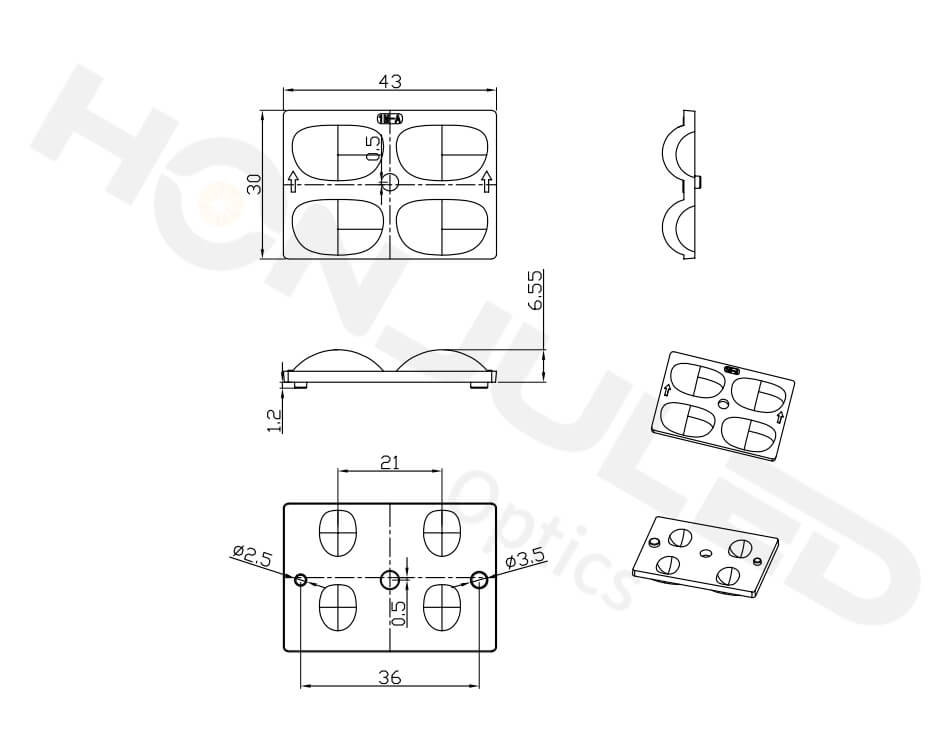
Alongside dimensions, engineers must identify critical tolerances. Matching mold steel and design, and the lens material (PMMA or PC) ensures it handles heat, pressure, and multiple uses without deformation. The appropriate material choice makes later polishing and finishing easier.
Finalizing Specifications
All the specifications, 3D models, and drawings must be approved and finalized before production commencement. These include material type, hardness, polishing grade, and layout of cooling. Clear specifications make trial molding run hassle-free, avoid mistakes, save time, and expense.
Core Stage: Mold Manufacturing and Quality Checks
At this phase, the mold shape is finalized, and quality is of critical concern. Material choice, machining, and inspection are meticulously done to allow the mold to be predictable during production. Early detection of any possible complications helps avoid defects, minimise downtimes, and maintain all lenses within the design specifications.
Choosing Mold Materials and Precision Machining
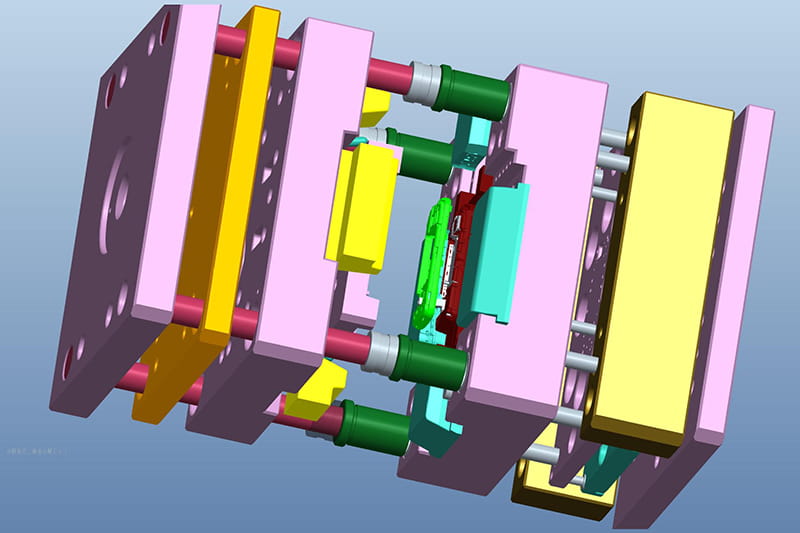
Molds made of steel, such as S136H or NAK80, offer high durability and resistance to heat. The type of mold steel must be in line with the production requirements and lens material. This ensures smooth surfaces, accurate dimensions, and correct parting lines. Moreover, the right machining eliminates the need for post-processing, prevents misalignment, and increases the mold life.
Trial Molding (T1) – Beyond Sample Production
Trial molding is not merely about the formation of a few pieces. It also determines how the mold will work in actual situations. Engineers check flow, cooling, and demolding to identify problems such as bubbles, warping, or short shots. Gathering information concerning dimensions, optical characteristics, and surface finish enables modification before mass production, wherein the quality remains intact.
Final Mold Acceptance (FAI) Before Delivery
Once the mold leaves the workshop, it is carefully inspected to make sure it meets all specifications. Dimensional checks, hardness, and functional tests are used to spot any weak points. Small production batches confirm production consistency and throughput. Recording all the steps give traceablility and provides a clear point of reference when undertaking another project.
Safeguarding Production: Keeping Mass Production Smooth
Even quality mold can produce poor results if the production is not taken care of. Regular care, close monitoring, and planning bring about consistent quality. Even minor problems with neglect may end up in the squandering of material and faulty lenses. So, clear standards and routines make sure that each batch is up to standard and is highly efficient.
Standardizing Operations and Fixing Process Steps
Clear guidance at every step makes a big difference. The operators must be aware of the temperature, injection rates, and the cooling time/period. Writing them down avoids errors, simplifies the training process, and is useful in detecting issues at the initial stages.
Regular Mold Maintenance and Care

Molds are the heart of production and need careful attention. Their regular cleaning, lubrication, and inspection avoid wear and tear over time. Monitoring all maintenance activities allows the engineers to prevent any unexpected downtimes. The maintained mold provides high precision on the lenses without compromising standards.
Watching Production and Acting Fast
The first product is inspected closely to catch defects early. Problems such as flashing, scratches, or other surface flaws can be easily repaired through a well-articulated plan. Quick actions help save materials, time, and maintain a smooth production line.
Long-Term Optimization: Feedback and Strong Partnerships
Even a working mold can be improved over time. Engineers can observe the way it works in the production process, wear and tear, and track the maintenance process, which will enable them to make the next mold more reliable and efficient. Minor gains in the long-run will save money, reduce downtime, and ensure consistent quality lenses always.
Using Production Data to Improve Future Molds
It is necessary to record actual production data. These details include cycle times, the surface quality, and indicators of mold wear. Based on such feedback, engineers can alter the design, materials, or cooling paths. In this fashion, future molds can be easier to operate, longer lasting, and operate with fewer errors.
Building Strong Partnerships With Mold Suppliers
The reliable supplier of molds is not only a vendor, but a partner. It is possible to prevent problems and enhance production through frequent communication, experience sharing, and collaboration on improvement. Good relationships serve to make sure that the molds are produced properly, and not to make them fail after a few uses.
Common Pitfalls and How to Avoid Them
Even experienced engineers can face challenges with lens molds. Multifarious errors tend to slow production, create defects, and contribute to higher costs. Awareness of these pitfalls can guide a planning process to prevent issues, delays, and lapses in quality.
The ability to learn through previous projects and use viable solutions will make the mold reliable during its work. Such basic measures as balanced design, attentive trial run, and frequent maintenance can save time and resources in the long term.

Over-Optimizing a Single Parameter
It may complicate other production aspects by concentrating on a single aspect of production, such as the smoothness of the lens. As an illustration, the mold can be hard to release, or the time cycle can be prolonged. Striking a balance between all the important aspects maintains constant and efficient production.
Skipping Systematic Trial Molding
Immediately running or altering the machine on the basis of feel is known to yield inadequate outcomes. A planned trial process allows you to identify the issues beforehand, test the mold functionality, and make sure that all the lenses are of good quality.
Neglecting Maintenance Over Time
Even the best molds wear out quickly without proper maintenance. Basic operations such as the cleaning, lubrication, and inspection of crucial components are enough to avoid the early wear and the loss of production cycles. Periodical maintenance prolongs the life of the mold and provides a good and unproblematic production.
Conclusion
Making high-quality lenses consistently requires attention at every step, from design to maintenance. Missing small details can lead to defects, slower production, or extra costs. It’s best to check every stage carefully before starting full production.
At Honju-Optics, we treat each mold with meticulous care. Regular maintenance, careful monitoring, and following process standards help our molds last longer and produce lenses that meet your exact specifications.
If you’re planning custom mold in lens production, focus on clear communication with your supplier, optimize the mold for your materials, and do thorough trial runs. These steps make production smoother, reduce problems, and save time and resources.